
We present here the main lines of research of our laboratory, although we collaborate in many other interesting researchs of the neuroscience field that are led by our collaborators.
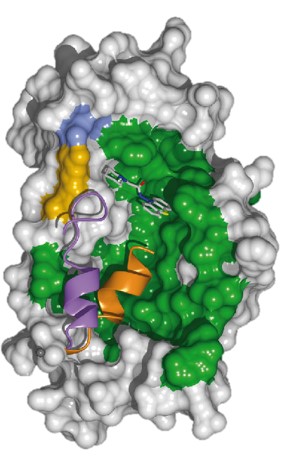
Synapse modulators
We have shown that the interaction between the neuronal calcium sensor 1 (NCS-1) and the guanine exchange factor Ric8a regulates synapse number and synapse function. Pathologies such as autism spectrum disorders (ASD) and neurodegenerative diseases are common types of synaptopathies, as they are caused by an imbalance in the normal functioning of synapses between neurons. For that reason we are validating compounds that enhance or inhibit the NCS-1/ Ric8a interaction as a viable strategy to treat a wide range of synaptopathies, easing the social and economic burden they represent.
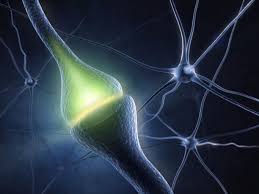
Synaptic pathology in Fragile X syndrome
Fragile X syndrome (FXS) is the most common heritable cause of autism and Intellectual disability. FXS is caused by the loss of fragile X mental retardation 1 (fmr1) gene function, due to unstable CGG-trinucleotide repeat expansion in the 5′ region of the gene that leads to hypermethylation and transcriptional silencing. The fmr1 product, the FMRP protein, is an mRNA-binding that controls hundreds of genes in the synapses. All these genes represent multiple potential targets and different mechanisms that could account for the pathological characteristics of the disease. We propose a novel therapeutic approach, since we understand this syndrome as a synaptic pathology or synaptopathy. We are investigating with animal models such as Drsophila melanogaster and mouse FXS model that regulating the NCS-1 protein- protein interactions we will be able to revert the synaptic pathology and improve neuronal functionality
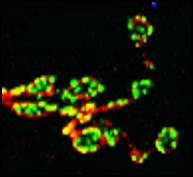
Sexually dimorphic synaptogenesis
We have discovered a neuronal insult in which the number of synapses is altered differently in females than in males. We are investigating the mechanisms that trigger these gender differences using the powerful genetic tool that is Drosophila melanogaster
 Neurobiology lab at IRYCIS